Loading Your Adventure
Preparing your Amazon fishing experience...
Loading Your Adventure
Preparing your Amazon fishing experience...

Santa Isabel do Rio Negro
--°F
Current conditions
Amazon Fish Encyclopedia
Tambaqui
Amazon
Tambaqui Information
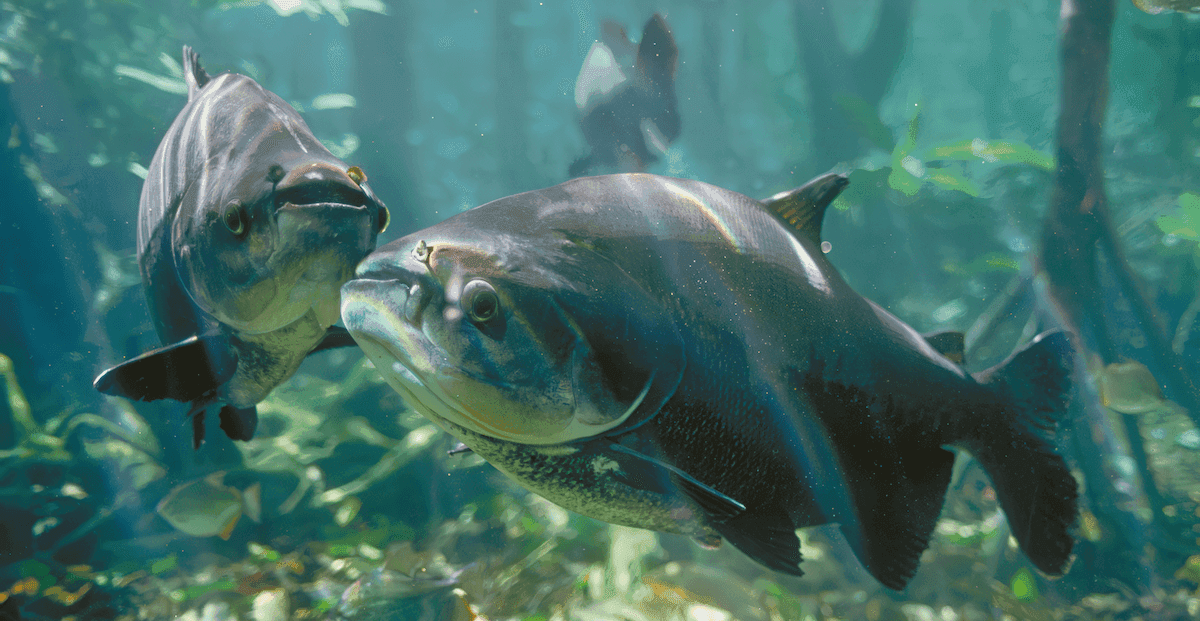
The Tambaqui (Tam-Bah-Ki) is one of the Amazon's largest fruit-eating fish, known for its powerful jaws and unique feeding habits. This remarkable species plays a crucial role in seed dispersal throughout the Amazon basin, making it an important contributor to forest ecology. Despite its size, it's primarily herbivorous, though it will occasionally feed on small invertebrates.
The estimated potential yield for tambaqui is 15,500 tons, with the vast majority—91%—concentrated in the Central Amazon. It holds moderate significance in the Peruvian Amazon (3%), Madeira (2%), Lower Amazon (2%), Brazilian-Colombian-Peruvian Border (1%), and Upper Madeira (1%). Its potential yield is minimal in the Purus, Tocantins, and Estuary regions, each contributing less than 1% of the total.
Tambaqui is the largest fruit- and seed-eating characin in the Amazon. While juveniles primarily feed on zooplankton, they gradually transition to a diet of fruits and seeds during the high-water season. Adult tambaqui rely almost entirely on fruits and seeds. As water levels drop rapidly, they move off the floodplains and spend the low-water period in river channels. At the onset of rising water, schools of tambaqui migrate upstream to spawn in river channels before moving into the flooded forests of various river systems.
Large tambaqui are the most valuable fish in the Central Amazon market and have been heavily exploited since the late 1960s. Today, juvenile tambaqui make up most of the catch, indicating significant overfishing in both the Central and Lower Amazon regions. Although regulations exist to protect both adult and juvenile tambaqui, they are widely disregarded by fishermen and remain unenforceable across such a vast area. The most effective management approach would be to ban the sale of juvenile tambaqui in urban markets to prevent further depletion of the species.
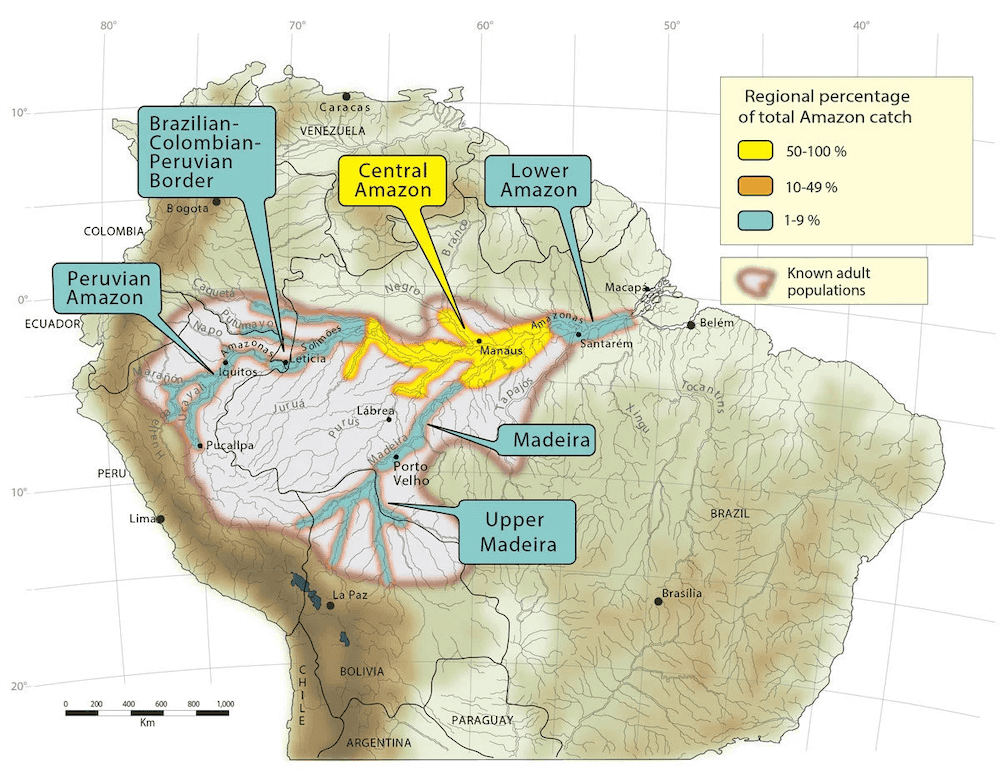
Distribution of Tambaqui catches. Source: Barthem, R., Goulding, M. 2007. An unexpected ecosystem: the Amazon as revealed by fisheries. Missouri Botanical Garden Press.
Tambaqui are highly adaptable fish that thrive in various freshwater environments. They are migratory by nature, following the flood patterns of the Amazon basin. During high water seasons, they move into flooded forests to feed on fruits and seeds, while retreating to deeper channels when waters recede.
Unlike their carnivorous piranha cousins, Tambaqui are primarily herbivorous, with a diet rich in fruits, seeds, and nuts. Their unique feeding habits make them crucial seed dispersers in the Amazon rainforest ecosystem, helping with forest regeneration along riverbanks.
During flood seasons, they venture into inundated forests to feed on abundant fruits and seeds, rapidly gaining weight during this period of plenty.
Ownership Disclaimer: Amazon Xtreme Fishing does not own the rights to this video. All footage and content remain the property of their respective owners. For educational purposes only.
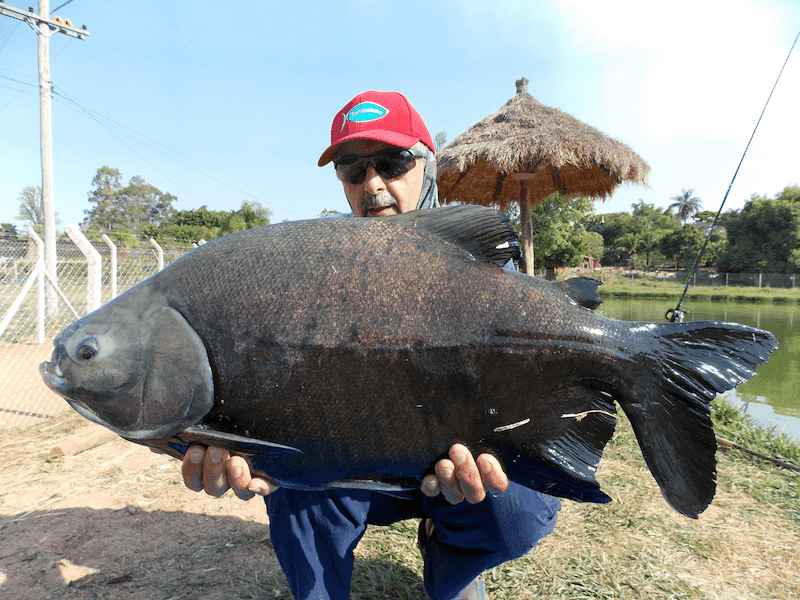
Tambaqui are strong, fast, and intelligent fish that provide an exciting challenge for anglers. They often put up an aggressive fight, using their broad bodies to resist being reeled in, making them a thrilling catch for both novice and experienced fishermen.
Tambaqui populations are declining in some regions due to overfishing and habitat destruction. While they remain an important species for local fisheries, unsustainable harvesting practices have led to concerning decreases in wild stocks. To counter this trend, aquaculture operations have begun farming Tambaqui to reduce pressure on wild populations.
Release larger individuals for population health
Avoid harvesting undersized juveniles
Choose farmed Tambaqui when possible
Support sustainable fishing practices
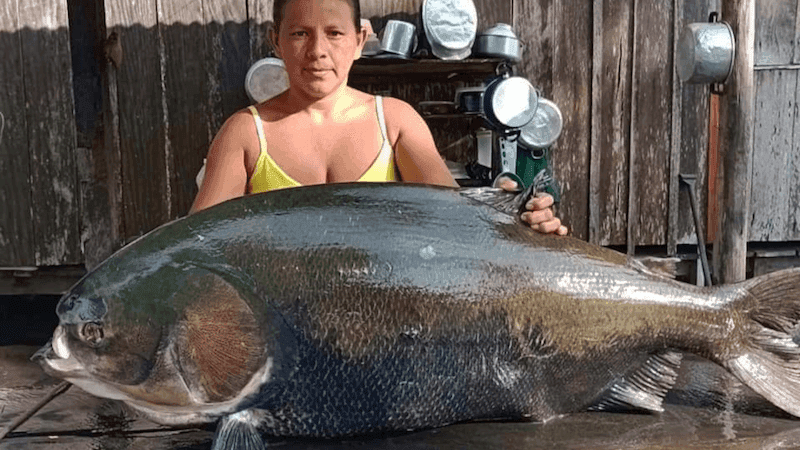
One of the largest herbivorous fish in the Amazon, adapted to a primarily plant-based diet.
Famous for their powerful jaws that can crush Brazil nuts and other hard seeds with ease.
Often called "vegetarian piranhas" due to their appearance, but they're much less aggressive than their carnivorous cousins.
Highly valued for their tasty meat, which is often compared to premium fish like snapper or tilapia.
DON'T LET THIS ONE GET AWAY!
The Season is filling up quick! Reach out to our committed travel team for information on pricing, packages and more.