Loading Your Adventure
Preparing your Amazon fishing experience...
Loading Your Adventure
Preparing your Amazon fishing experience...

Santa Isabel do Rio Negro
--°F
Current conditions
Amazon Fish Encyclopedia
Plecostomus
Amazon
Amazon Plecostomus Information
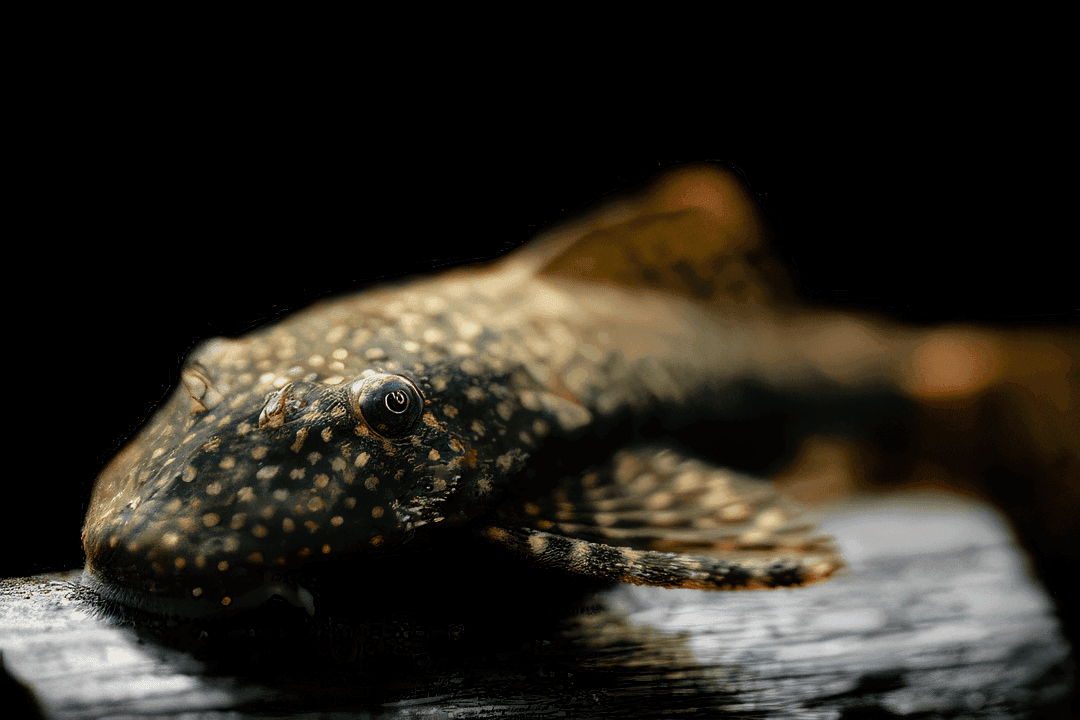
The Amazon Plecostomus, also known as Bodo (Boh-Doh) is a hardy and adaptable armored catfish, known for its distinctive suckermouth and ability to survive in various water conditions. These nocturnal cleaners play a vital role in their ecosystem by consuming algae and detritus, helping to maintain water quality. Their unique ability to breathe air allows them to survive in low-oxygen environments, making them incredibly resilient.
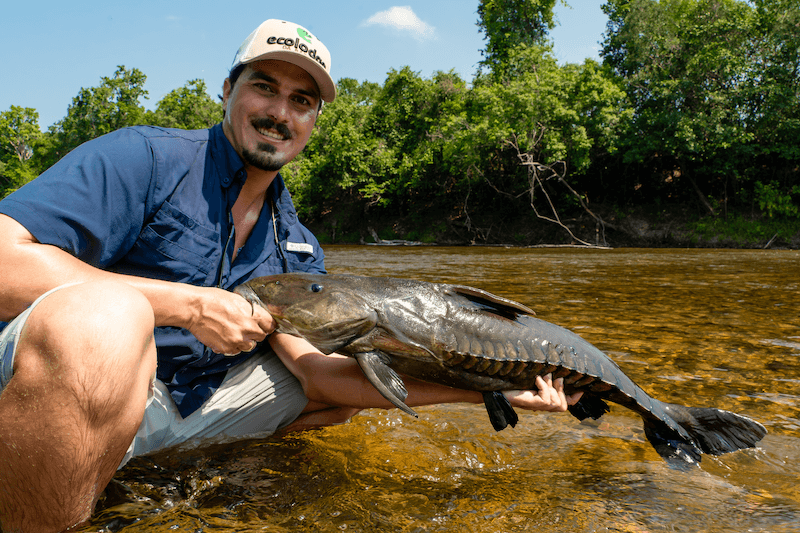
The estimated potential yield for Plecostomus is approximately 1,400 tons, with the majority of the catch coming from three key fishery regions. The Lower Amazon accounts for 40%, followed by the Peruvian Amazon at 30% and the Central Amazon at 23%, collectively representing 93% of the total yield. The Tocantins region has a more moderate Plecostomus potential yield of 5%.
The Plecostomus fish group, which includes various genera and species of the armored catfish family Loricariidae, is an important component of commercial fisheries. The primary species targeted are Pterygoplichthys pardalis, with Hypostomus emarginatus playing a secondary role. These fish are sedentary and thrive in várzea lakes of whitewater rivers. Their diet consists mainly of detritus and algae, which they scrape or rasp from the bottom substrate. Pterygoplichthys pardalis spawns once per year, digging holes in lake banks for nesting, and males take on the role of parental care.
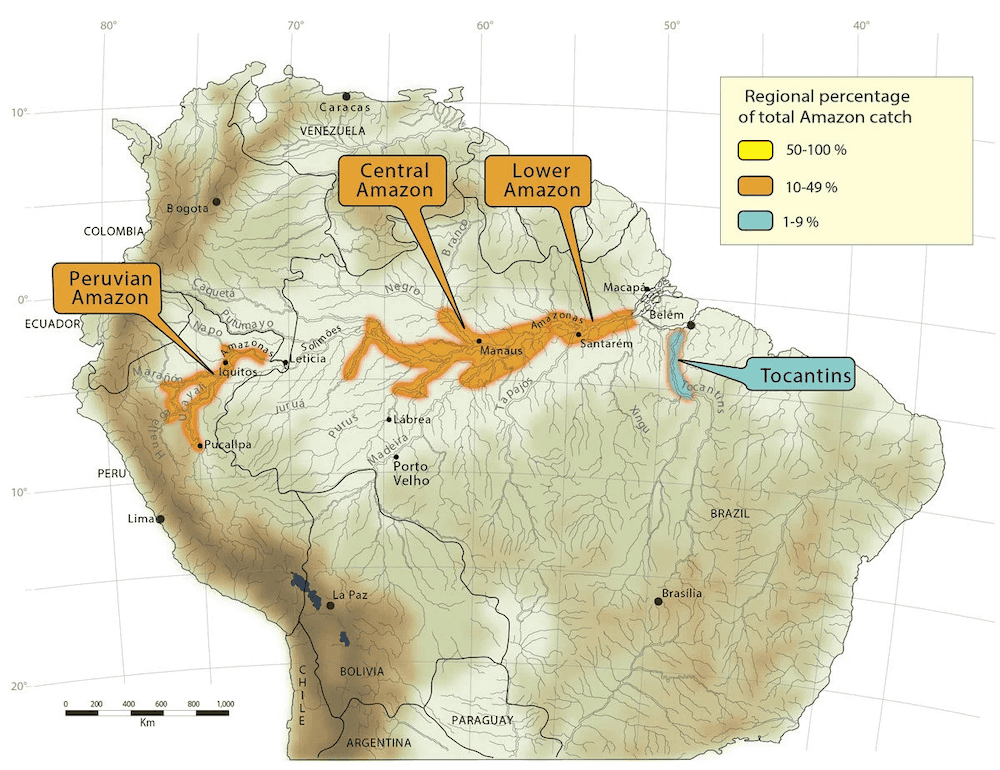
Distribution of Plecostomus catch. Source: Barthem, R., Goulding, M. 2007. An unexpected ecosystem: the Amazon as revealed by fisheries. Missouri Botanical Garden Press.
Plecos are widely distributed throughout the Amazon River system. These adaptable fish thrive in various environments, from pristine waters to urban areas, thanks to their ability to survive in low-oxygen conditions. They are primarily nocturnal, using their specialized mouths to cling to surfaces while feeding.
Plecos are detritivores, primarily consuming organic matter and algae. They use their specialized suckermouth to cling to surfaces while feeding, and are most active during nighttime hours. Their ability to breathe air allows them to survive in low-oxygen environments.
Most active at night, using their specialized suckermouth to graze on algae and biofilm while clinging to submerged surfaces.
Ownership Disclaimer: Amazon Xtreme Fishing does not own the rights to this video. All footage and content remain the property of their respective owners. For educational purposes only.
While Plecos are not typically targeted by anglers, they can be caught using various bottom-fishing methods. Their sharp spines require careful handling, and protective gloves are recommended when landing them.
While Plecos are abundant in their native Amazon habitat, they have become a significant concern as invasive species in many regions. Their hardiness and adaptability have allowed them to establish populations in Florida, Texas, and Southeast Asia, where they can impact local ecosystems.
Never release non-native Plecos back into water
Can be used as bait for predator fish
Support natural populations in Amazon basin
Help manage populations in non-native areas
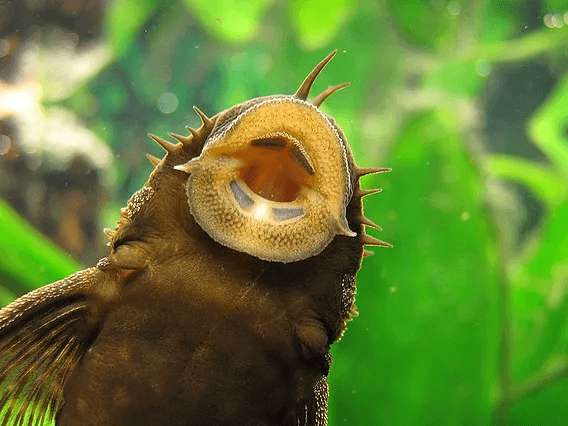
Popular in home aquariums for their algae-eating abilities, though they often outgrow their tanks as they mature.
Their armor plates are used as tools and decorations by some Amazon communities, and they're eaten in parts of Mexico and Central America.
Can survive extended periods out of water, allowing them to colonize new environments and adapt to challenging conditions.
Their hardy nature and ability to thrive in various conditions has led to successful populations worldwide, though often as invasive species.
DON'T LET THIS ONE GET AWAY!
The Season is filling up quick! Reach out to our committed travel team for information on pricing, packages and more.