Loading Your Adventure
Preparing your Amazon fishing experience...
Loading Your Adventure
Preparing your Amazon fishing experience...

Santa Isabel do Rio Negro
--°F
Current conditions
Amazon Fish Encyclopedia
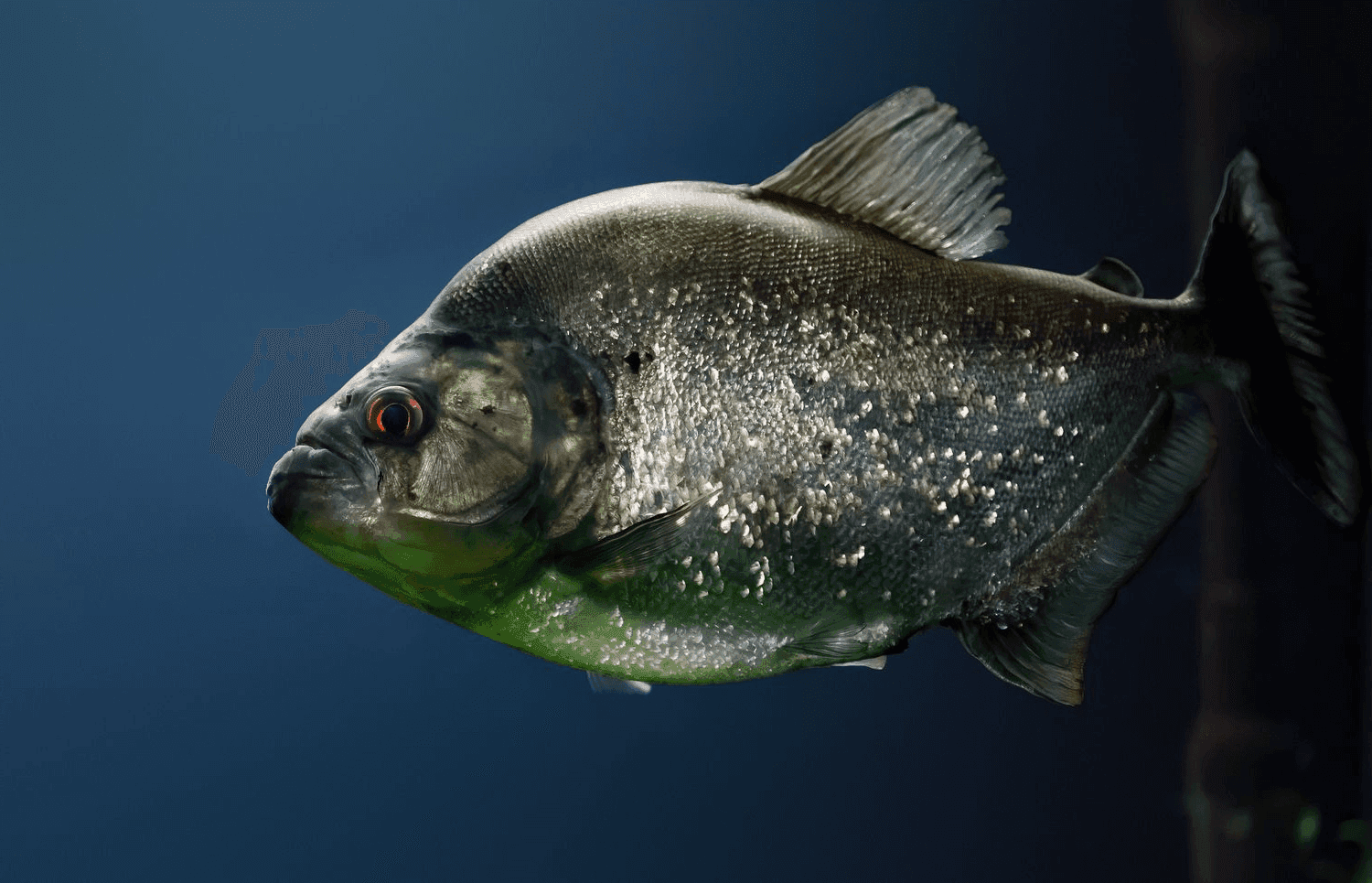
Piranha Species
Amazon
Piranha Information
Piranhas are one of the Amazon's most notorious predators, known for their razor-sharp teeth and group hunting behavior. While their aggressive reputation is often exaggerated, they become more territorial and active during the dry season when water levels are low and food becomes scarce.
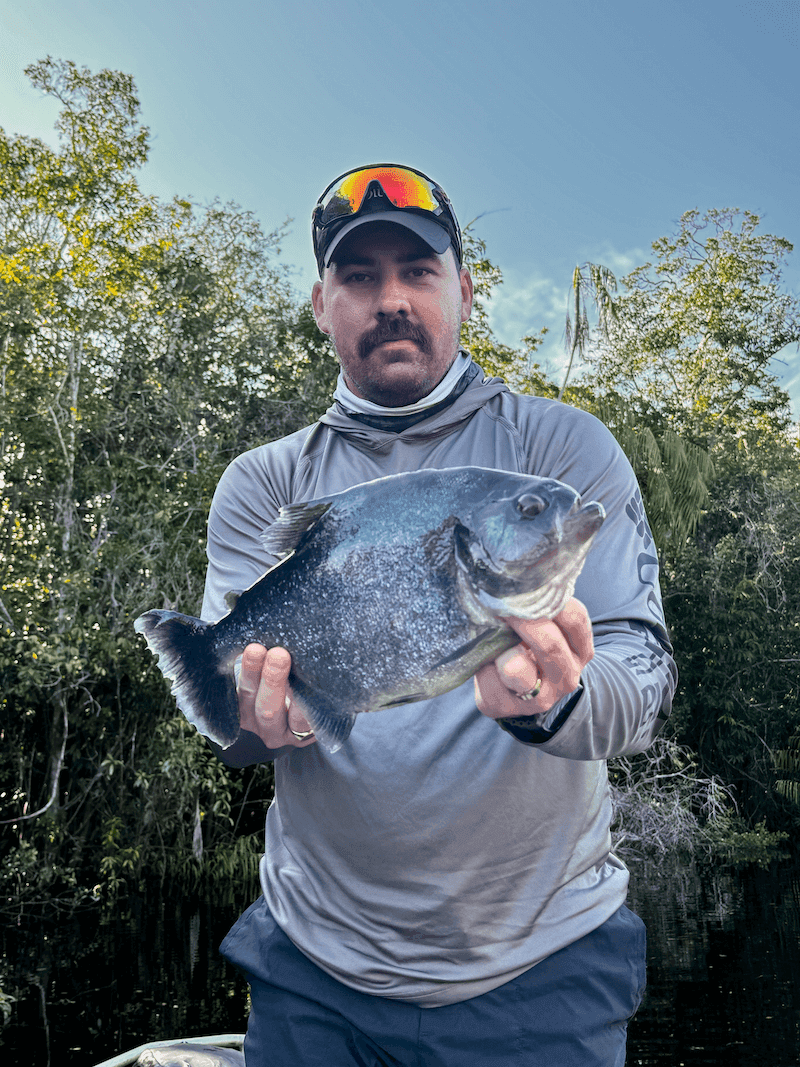
Piranhas are widely distributed across South America's major river basins, with the highest concentrations found in the Amazon and Orinoco systems. The red-bellied piranha (Pygocentrus nattereri) is the most abundant species, particularly in the central Amazon region, where it represents a significant portion of local fisheries catch during the dry season.
Piranhas belong to several genera, including Pygocentrus, Serrasalmus, and Pristobrycon, with each adapted to specific habitat conditions. While commonly portrayed as ferocious predators, their natural behavior is more complex. They are primarily opportunistic feeders, acting as important scavengers in their ecosystems. Different species show varying levels of aggression and social behavior, with some forming large schools while others are more solitary. Their population density and behavior are strongly influenced by seasonal water level changes, becoming more concentrated and potentially more aggressive during the dry season when water levels are low.
There are over 30 species of piranhas in the Amazon basin, each with unique behaviors and characteristics. While most people think of them as aggressive predators, some species are more scavengers than hunters.
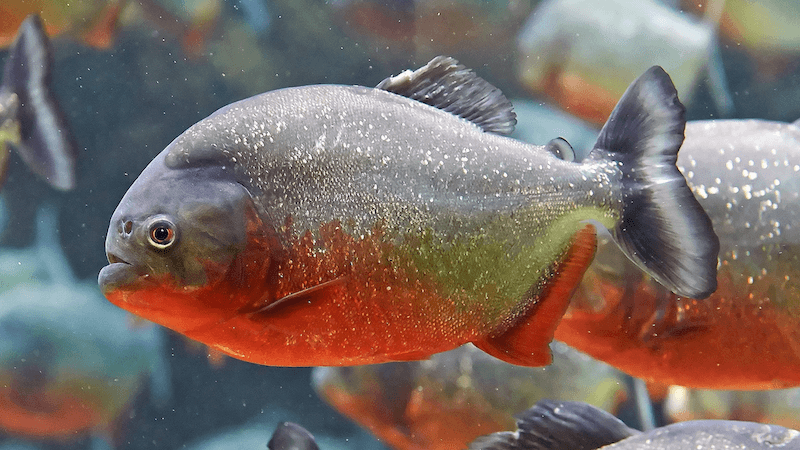
Red-Bellied Piranha
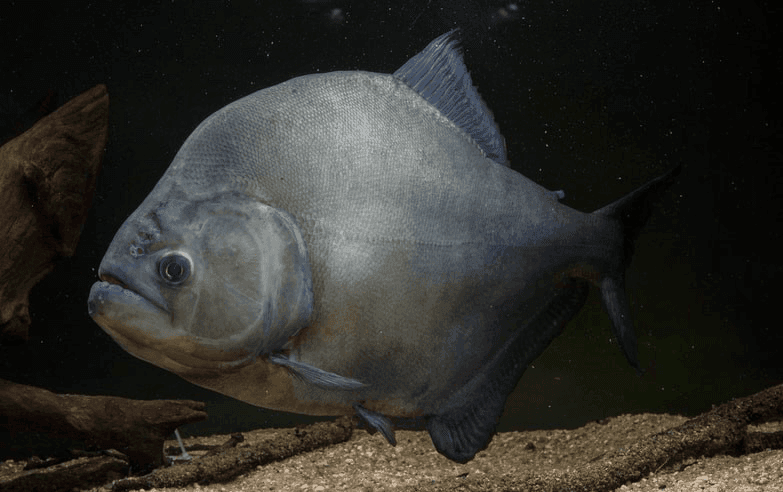
Black Piranha
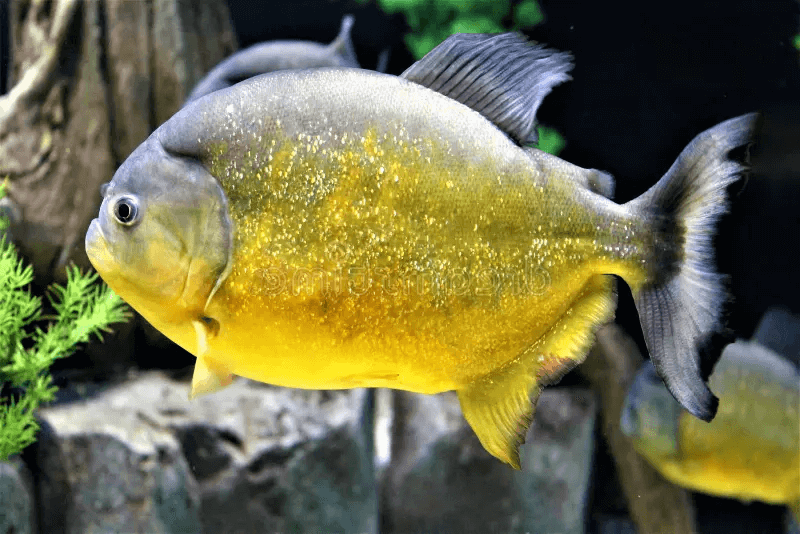
Yellow-Bellied Piranha
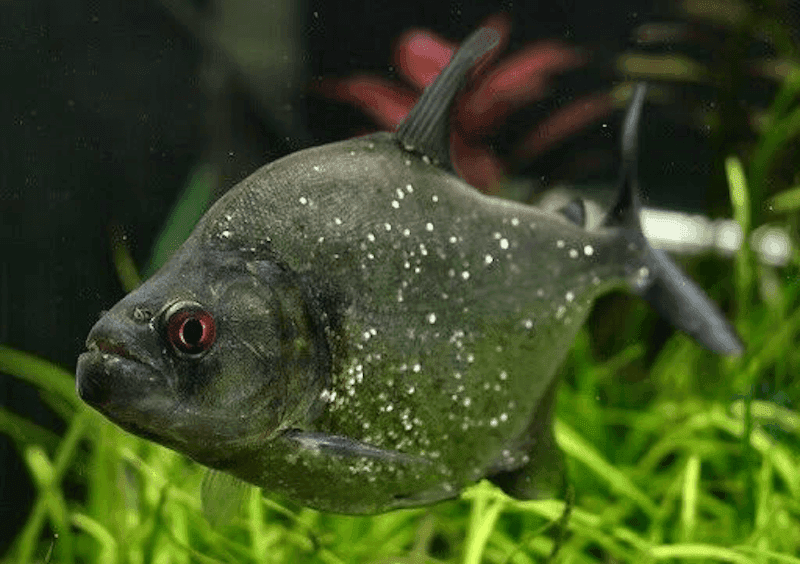
Violet Line Piranha
Not all piranhas are ravenous predators—some are omnivores and even help control aquatic ecosystems by feeding on plant matter and detritus.
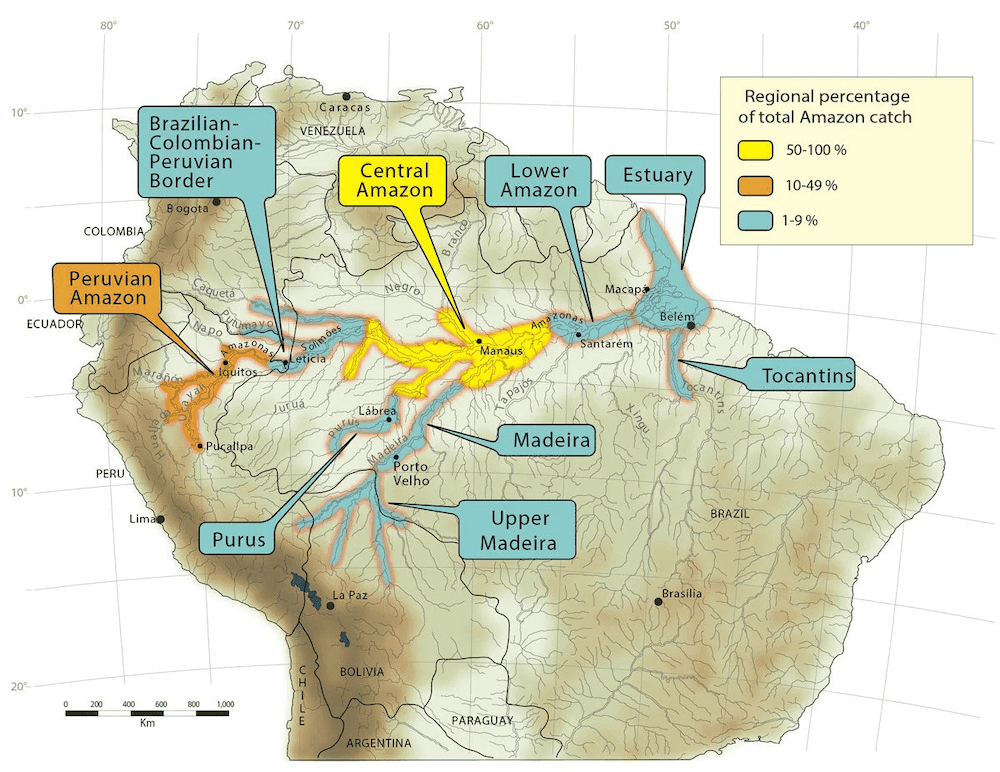
Distribution of Piranha catches. Source: Barthem, R., Goulding, M. 2007. An unexpected ecosystem: the Amazon as revealed by fisheries. Missouri Botanical Garden Press.
Piranhas are widely distributed across South America, from the Amazon and Orinoco basins to the Paraná and São Francisco rivers. During the dry season, when water levels drop and food becomes scarce, they become more aggressive and are more likely to attack anything in the water.
Despite their reputation, most piranhas are not relentless killers. They are opportunistic feeders that consume a mix of fish, insects, crustaceans, plant matter, and even carrion. Their behavior is more complex than commonly portrayed in media.
Despite Hollywood exaggerations, healthy piranha populations rarely attack humans. Most bites happen when people provoke them or fish in piranha-heavy waters with food or bait in hand.
Piranhas are fun and easy to catch, but their sharp teeth require special handling. Proper gear and careful handling techniques are essential for both fisher and fish safety.
Piranhas are not endangered, but habitat destruction and overfishing in some regions could impact their populations. In some parts of South America, piranhas are considered a valuable food fish, with locals preparing them grilled or in soup.
Use barbless hooks to reduce damage
Avoid overfishing in low-population areas
Follow area-specific guidelines
Protected in some areas, nuisance in others
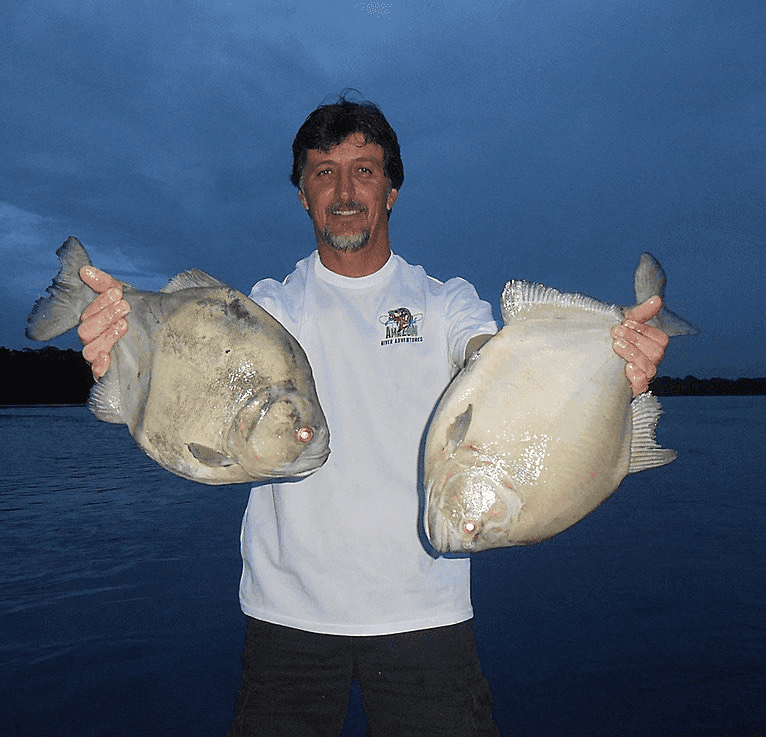
Teddy Roosevelt's writings in "Through the Brazilian Wilderness" helped create their terrifying reputation.
The black piranha has the strongest bite force of any bony fish relative to size, exerting force 30 times its body weight.
They "bark" - making grunting and drumming sounds to communicate with each other.
Prehistoric relatives like Megapiranha paranensis could grow over 3 feet (1 meter) long!
DON'T LET THIS ONE GET AWAY!
The Season is filling up quick! Reach out to our committed travel team for information on pricing, packages and more.