
Loading Your Adventure
Preparing your Amazon fishing experience...
Loading Your Adventure
Preparing your Amazon fishing experience...

Santa Isabel do Rio Negro
--°F
Current conditions
Amazon Fish Encyclopedia
Peacock Bass Species
Amazon
Peacock Bass Information
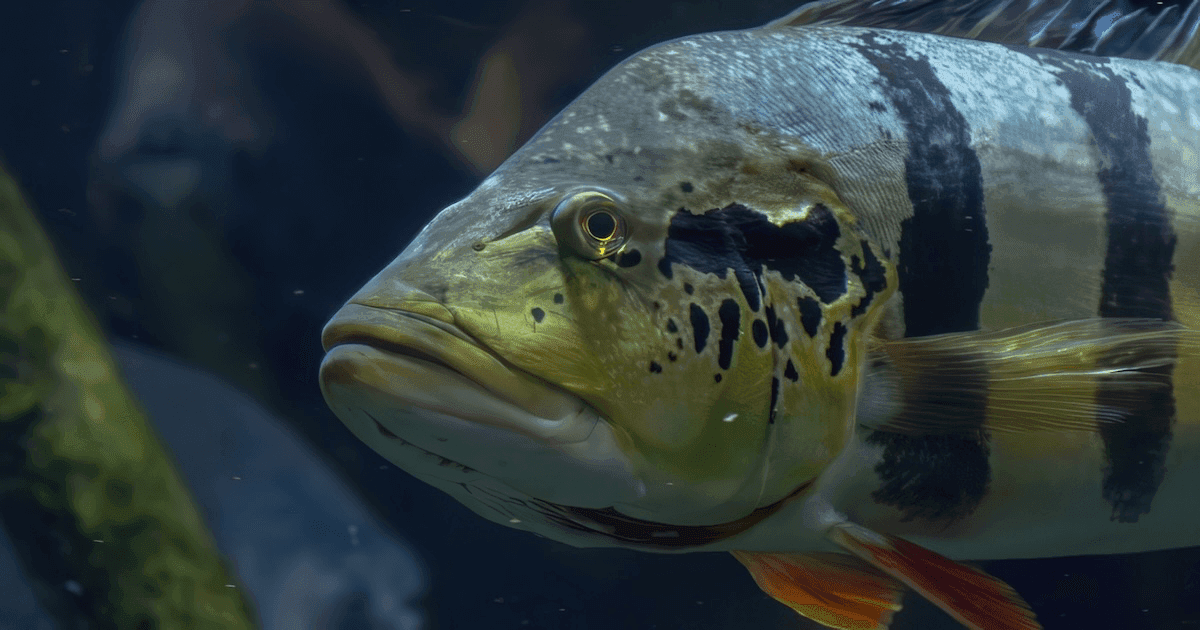
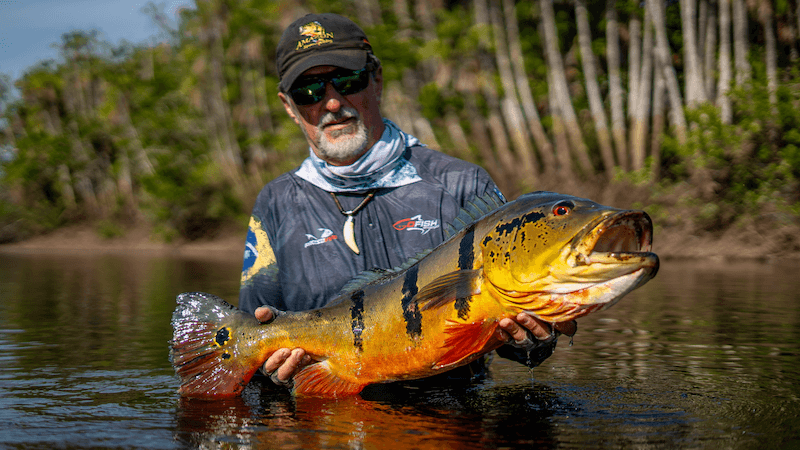
The Peacock Bass, also natively known as Tucunaré (Tuh-Cun-Nah-Reh), is a formidable predator known for its aggressive hunting style and powerful strikes. Unlike many other freshwater fish, they are ambush predators that use structure and cover to their advantage when hunting. Their beautiful coloration and fighting spirit make them one of the most sought-after gamefish in the Amazon region.
The estimated potential yield for Peacock Bass is approximately 4,300 tons, with the Central Amazon contributing the largest share at 52%. The Tocantins region accounts for 27%, followed by the Peruvian Amazon (8%) and the Estuary region (6%). A significant portion of the Central Amazon catch comes from the large Balbina Dam reservoir near Manaus.
The Peacock Bass commercial fish group consists of three to four species, all of which are aggressive piscivores that primarily inhabit calm waters. However, some species are also common in beach areas of river channels during the low-water season. Peacock Bass are widely regarded as the most important sport fishing species due to their striking appearance and powerful fighting ability.
Peacock Bass are diverse in coloration and patterns, making them some of the most visually striking fish in the Amazon. They belong to the genus Cichlaand are divided into several species, each with unique characteristics.
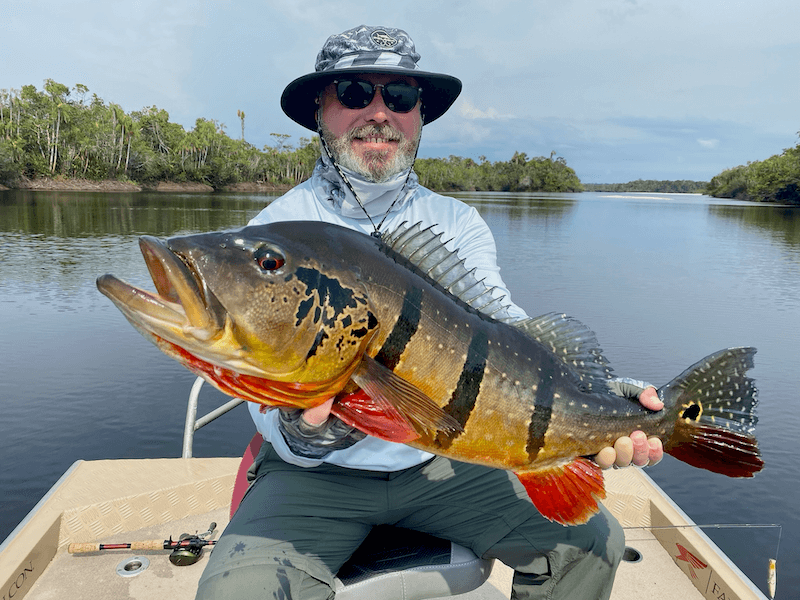
Speckled Peacock Bass
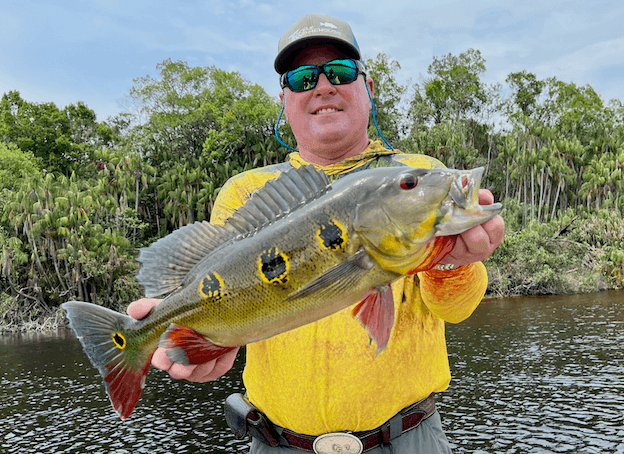
Butterfly Peacock Bass
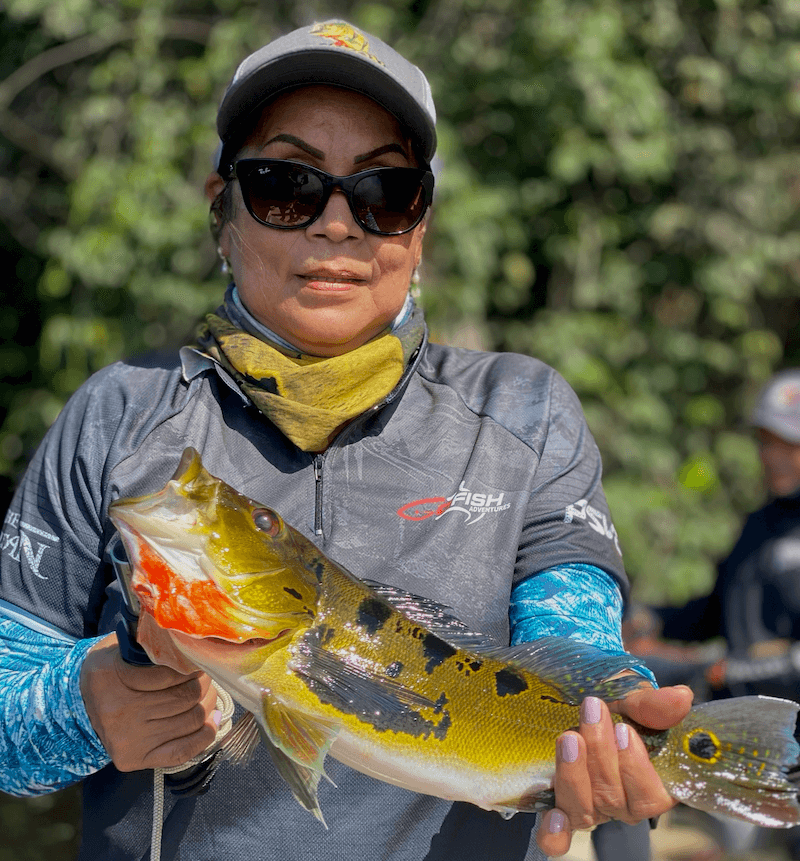
Orinoco Peacock Bass
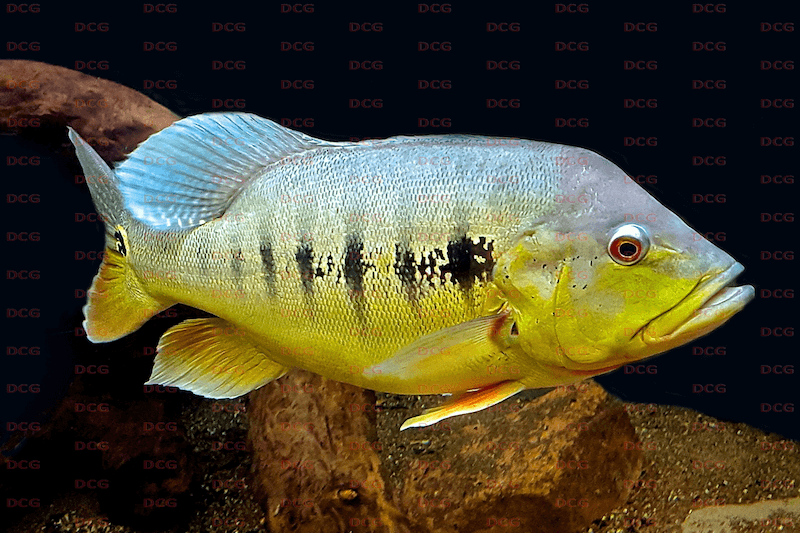
Royal Peacock Bass
Each species has unique behaviors and habitat preferences, but all share the same explosive strikes and powerful fights that make Peacock Bass legendary among sport anglers.
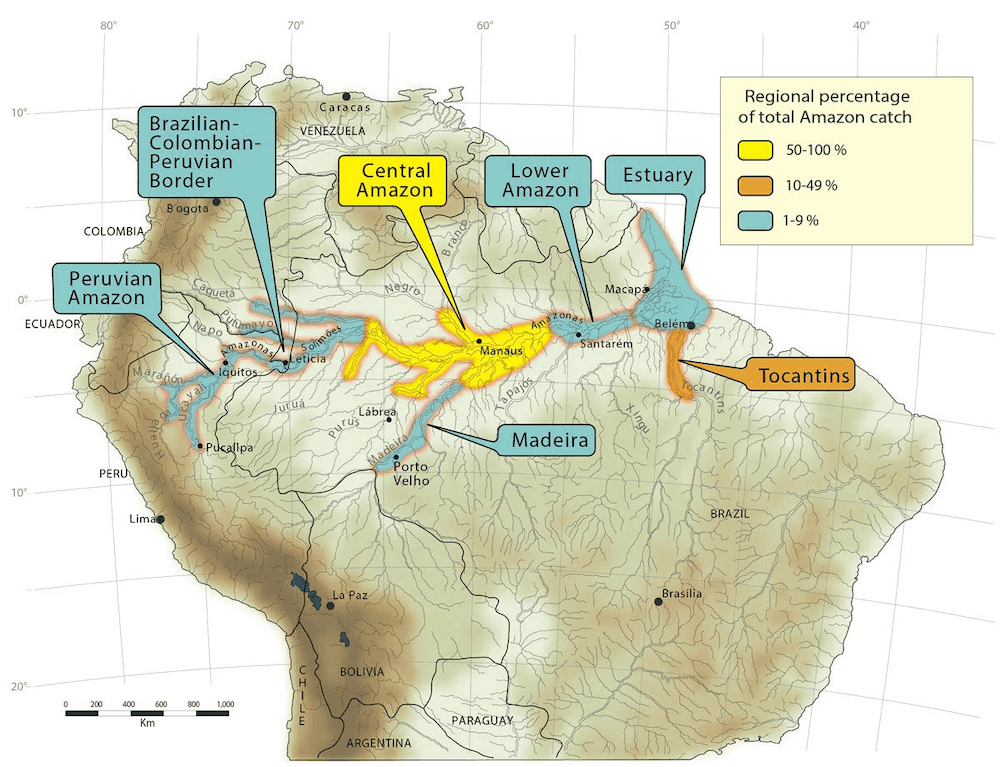
Distribution of Peacock Bass catch. Source: Barthem, R., Goulding, M. 2007. An unexpected ecosystem: the Amazon as revealed by fisheries. Missouri Botanical Garden Press.
Peacock Bass are found throughout the Amazon and Orinoco River basins, thriving in slow-moving waters with plenty of cover. They are ambush predators that use structure like submerged logs, overhanging vegetation, and rock formations as hunting grounds. Some species have been successfully introduced to various locations outside their native range.
Peacock Bass are pure hunters, feeding primarily on live fish but also attacking crustaceans and even small mammals in some cases. Their aggressive nature and powerful strikes make them one of the most exciting gamefish to target.
As apex predators in their environment, Peacock Bass help control prey fish populations and maintain ecosystem balance through their aggressive hunting behavior.
Targeting Peacock Bass is pure adrenaline. They slam lures with incredible power, often requiring fast retrieves and precise casts. Their explosive strikes and powerful fights make them one of the most exciting gamefish in freshwater.
Due to their popularity as game fish, Peacock Bass populations remain stable, but habitat destruction and overfishing in some areas have raised concerns. Their successful introduction in places like Florida and Puerto Rico has created new fishing opportunities while demonstrating their adaptability.
Responsible catch-and-release techniques ensure Peacock Bass populations remain healthy. Following ethical fishing practices helps protect their habitats and sustain recreational fishing opportunities for future generations.
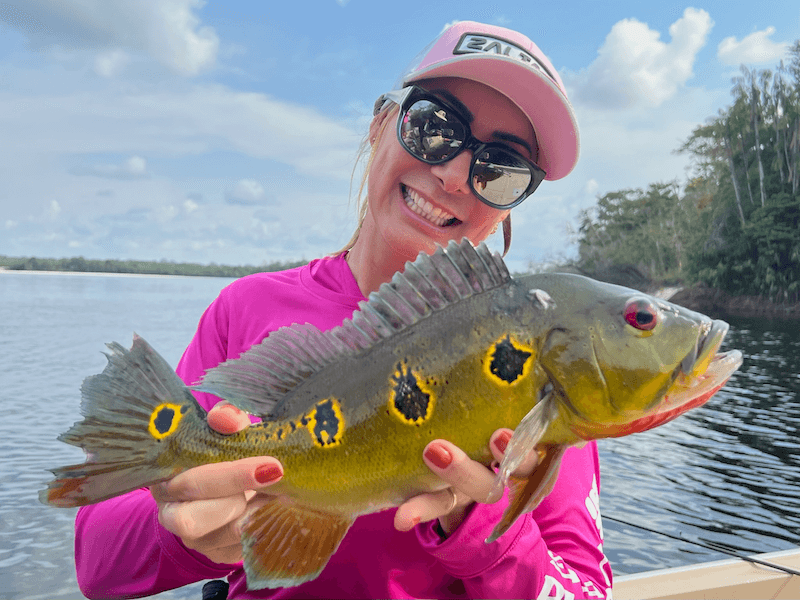
"Tucunaré" means "friend of the tree" in the indigenous Tupi language, referring to their habit of hunting near submerged trees.
Successfully introduced into Florida & Puerto Rico as a sport fish, where they have established thriving populations.
Unlike other cichlids, they don't build nests but protect free-swimming fry fiercely, showing remarkable parental care.
Can change colors depending on their mood and spawning cycle, displaying vibrant patterns during the breeding season.
DON'T LET THIS ONE GET AWAY!
The Season is filling up quick! Reach out to our committed travel team for information on pricing, packages and more.