
Loading Your Adventure
Preparing your Amazon fishing experience...
Loading Your Adventure
Preparing your Amazon fishing experience...

Santa Isabel do Rio Negro
--°F
Current conditions
Amazon Fish Encyclopedia
Aracu
Amazon
Aracu Fish Information
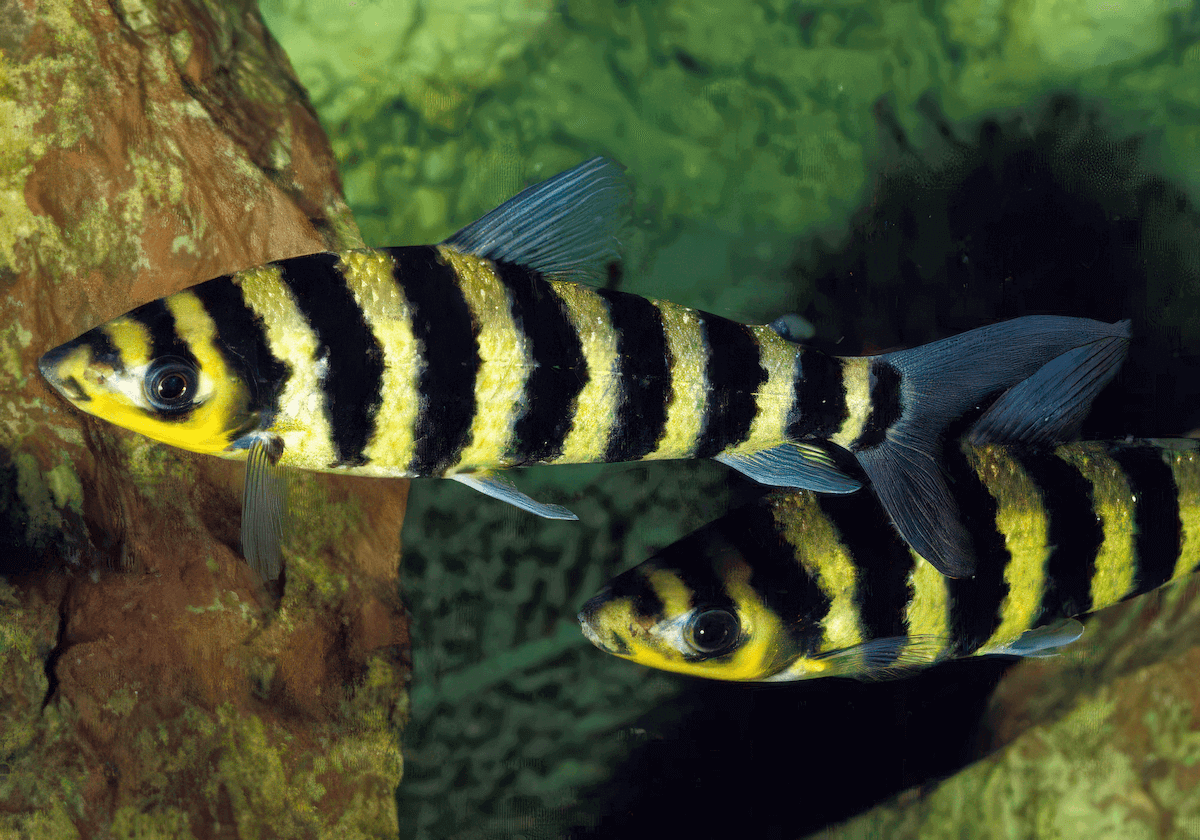
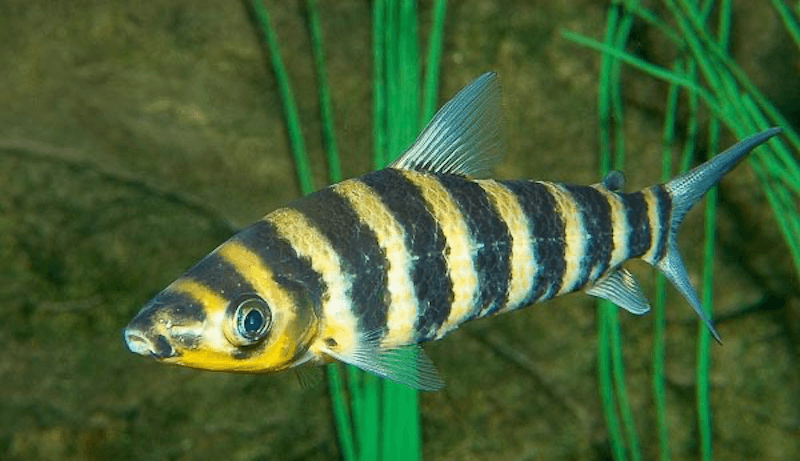
The Aracu is a versatile and adaptable fish species found throughout the Amazon basin. Known for their distinctive striped appearance and omnivorous diet, these fish are particularly active during the wet season when fruits become abundant. Despite their moderate size, they're known to put up an impressive fight when hooked, making them an exciting catch for anglers of all skill levels.
The estimated potential yield for Aracu is 4,660 tons, with the majority of the catch concentrated in the Central Amazon, which accounts for 63% of the total. Significant catches also occur in the Estuary region (14%) and the Tocantins region (12%). In the estuary, Aracu are primarily caught in the inner delta area, including the waters around inland Marajó Island. Moderate catches are recorded in the Lower Amazon (6%) and the Peruvian Amazon (4%).
The Aracu commercial fish group includes multiple genera and possibly around 10 species. These species are rarely distinguished in fisheries statistics, though certain species tend to be more dominant in specific regions. The most commonly harvested species include Schizodon fasciatus, Schizodon vittatus, Leporinus fasciatus, Leporinus friderici, Leporinus trifasciatus, Rhytiodus microlepis, and Rhytiodus argenteofuscus. Aracu are primarily herbivorous, feeding on fruits, seeds, and aquatic plant material, though many species also consume arthropods and small fish. Most commercially important Aracu species are migratory, with catches peaking during their two annual migrations. They are also commonly harvested in floodplain waters using gill nets.
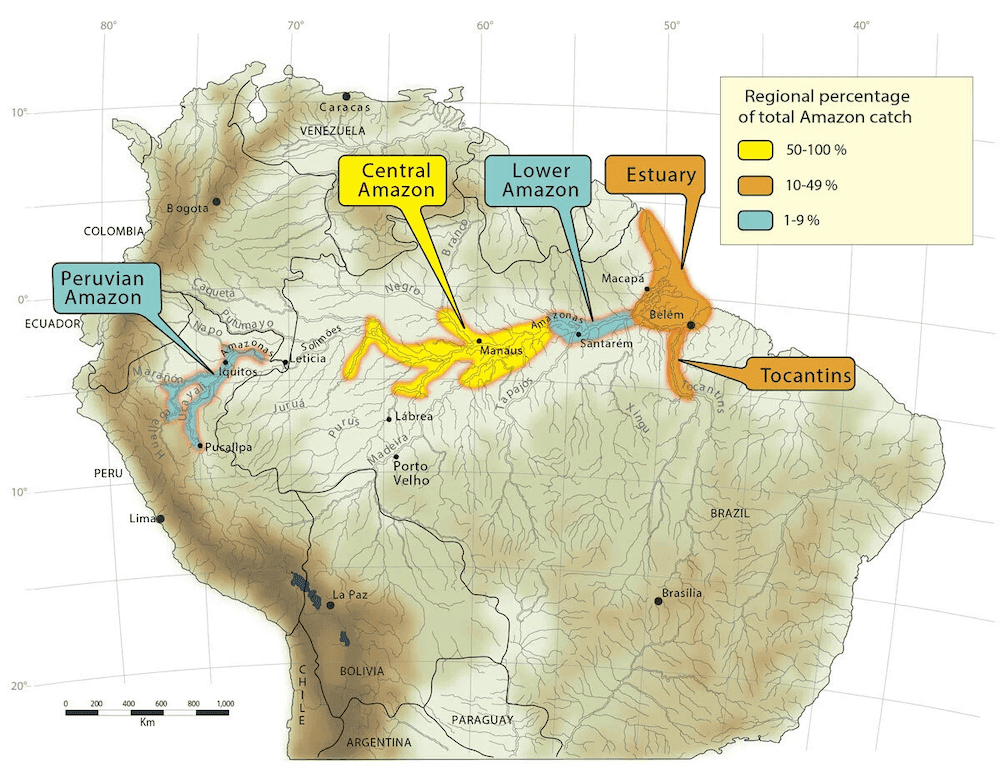
Catch distributions of Aracus. Source: Barthem, R., Goulding, M. 2007. An unexpected ecosystem: the Amazon as revealed by fisheries. Missouri Botanical Garden Press.
Aracus are adaptable fish found throughout rivers, lakes, and flooded forests. They show a strong preference for calm waters and areas with abundant vegetation, making them well-suited to various aquatic environments. Their distribution patterns often follow seasonal changes, particularly during the wet season when they access new feeding grounds in flooded forests.
Aracus are opportunistic feeders with a diet that changes seasonally. Using their strong jaws and chisel-like teeth, they can effectively process both plant and animal matter, making them important contributors to nutrient cycling in their ecosystem.
During wet seasons, they focus on fallen fruits in flooded forests. In dry seasons, they move to deeper channels for algae and small organisms.
Ownership Disclaimer: Amazon Xtreme Fishing does not own the rights to this video. All footage and content remain the property of their respective owners. For educational purposes only.
Although Aracus aren't trophy-sized, they provide plenty of action for light-tackle anglers. Their tendency to school and predictable feeding patterns make them an excellent target for both novice and experienced fishermen.
When using fruits or seeds as bait, try matching the seasonal fruit that falls into the water naturally—this can lead to nonstop action!
Aracus are abundant in the Amazon, making them a sustainable food source for local communities. While populations are healthy, responsible fishing practices help ensure their continued abundance. Their role in seed dispersal and nutrient cycling makes them ecologically important to the Amazon ecosystem.
Reduces injury when practicing catch and release
Release smaller fish to maintain populations
Follow catch limits and seasonal guidelines
Valued for white, firm flesh in local markets
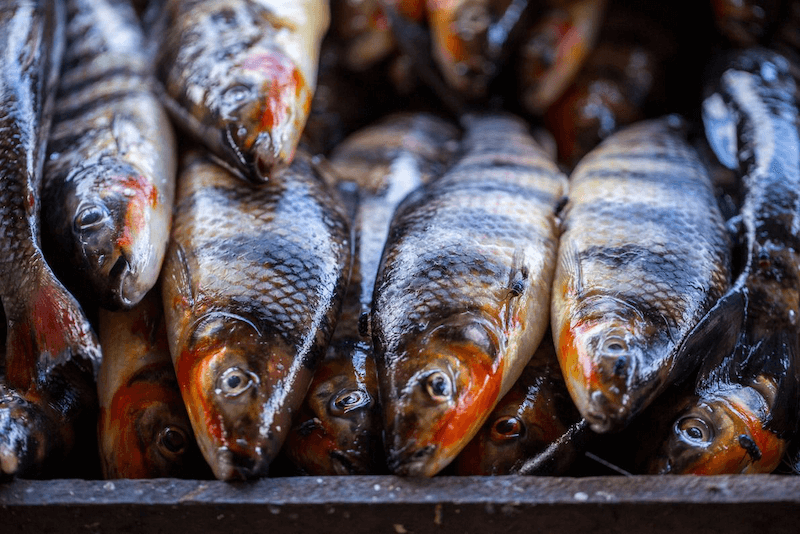
Their unique chisel-like teeth allow them to crack seeds and scrape algae, making them important for rainforest ecology.
During wet seasons, they migrate into flooded forests in search of fruits and seeds, similar to their cousins, the Pacus.
Highly valued in Amazonian cuisine, commonly served grilled or in traditional stews and soups.
Some species are popular in aquariums due to their striking black and yellow striped patterns.
DON'T LET THIS ONE GET AWAY!
The Season is filling up quick! Reach out to our committed travel team for information on pricing, packages and more.